A guide to downsizing

Are you thinking of downsizing your home? Perhaps your children have flown the nest, leaving you with more space than you know what to do with; or maybe the upkeep of a large home and garden is becoming more of a chore than a joy. Whatever your motivation, downsizing can provide a fresh start and an opportunity to free up finances and time for the things you love.
This guide will walk you through everything there is to know, from the pros and cons to what you need to consider.
What is downsizing?
Downsizing means moving from a larger property to a smaller one. But rather than simply moving home for the sake of it, people usually downsize for financial reasons or a change in lifestyle or circumstances. Typically:
- Retirement
- Free up equity
- Save money
- No longer needs the space
- Change of scenery/location
- Health reasons
Ultimately, the decision to downsize is about choosing a home that fits your present and future needs rather than your past ones.
The pros and cons of downsizing
Like most major life decisions, the choice of whether to downsize won’t be completely black or white. Change can be unnerving, especially if you’re weighing up leaving a home that you’ve lived in most of your life. It’s important to map out the advantages and disadvantages and decide what is best for you.
The pros
Release equity
Moving from a larger home to a smaller home can free up funds to help with retirement, support a family member or friend, or to deal with a change in circumstances such as losing your job.
Lower running costs
Many people downsize because a smaller home is usually cheaper to run. Council tax bills are lower, and because you're likely to use less energy heating fewer rooms, energy bills are also cheaper. You might also choose to move from an older property to a new build because of its energy efficiency.
Less maintenance
The cleaning and maintenance of a large home can sometimes be a full-time job in itself. Looking after fewer rooms or a more manageable garden (or not having one at all) can remove the pressure of feeling like you’re struggling to cope. Plus, spending less time on the house frees up time for things you’d rather be doing instead!
A fresh start
Downsizing also gives you the opportunity to change your environment. That could mean moving closer to family or friends, being closer to public transport or amenities, or moving to a bungalow or a retirement community.
The cons
Less space
The most obvious drawback is that fewer rooms usually equals less space. Downsizing might mean you have to offload some of your furniture or possessions, but that's not necessarily a bad thing - it’s good to have a declutter now and then (more on that below).
Emotional attachment
Leaving a home filled with cherished memories can be difficult. It might be where you’ve watched your children grow up and where you celebrated key milestones. It’s important to acknowledge these feelings and give yourself time to process the change.
Moving costs
It costs money to move house. Stamp Duty/Land Buildings Transaction Tax, estate agent fees, legal costs and removal services all add up. But you have to remember to balance this out against the equity you’ll release and any reduction in living costs.
What to consider before you downsize
Before you even start looking at properties, reflect on why you are downsizing and what your new home needs to meet your needs. Ask yourself the following.
Is it the right time to downsize?
Has there been a change in your circumstances that means a larger home is no longer practical for you? Do you need more support? Do you want to travel more and free up funds to do so? Factor in how your needs might change over the next 5-10 years. Will a smaller home accommodate potential health or mobility issues?
Location
Where do you want to be? Do you need to be close to family, friends, public transport, shops, health services? Downsizing often means you can afford to prioritise location over size.
Type of property
Do you want a smaller house or a complete change of property? Would a new build with minimal maintenance suit you better than an older property? If you’re thinking ahead to retirement, a bungalow or an apartment might be more manageable in later life.
Space
How much room do you need in your new property? Will all of your furniture fit, or will you need a clear out? Do you need a spare bedroom for guests?
Finances
Do you want a mortgage? Do you need to free up a certain amount of money for day to day living costs? How much will a smaller home save you on bills?
How to declutter before downsizing
One of the biggest challenges of downsizing is deciding what to take with you. But like we said earlier, it’s good to declutter now and then and sell or re-home some of your stuff you no longer need.
Here’s a step-by-step approach to make it easier:
1. Start early
Don’t wait until you’ve exchanged contracts; start sorting through your belongings months before moving. This will make the process far less stressful. And if you leave it late, you’re more likely to stick it back in the cupboard just in case you need it (you probably won’t!).
2. Assess what you need
Use the “keep, donate, sell, discard” method. Ask yourself: Do I use this regularly (and be honest)? Does it have sentimental value? Will it fit in my new home? Let go of anything unused or hidden away in the back of the wardrobe. If you haven’t used it in over a year, you probably don’t need it.
3. Tackle one room/category at a time
Pick a room or go category by category to prevent feeling overwhelmed. You'll be amazed at how much you've achieved if you chip away a bit at a time.
4. Sell or donate unwanted items
Local charity shops, online sites such as eBay, Facebook Marketplace and Freecycle, and community groups are great ways to find new homes for your unwanted belongings.
5. Measure your new home
Before moving, get the floor plan of your new property so you know where your existing furniture will go and that it fits. Finding out your settee is too large to fit through the door is the last thing you want on moving day!
6. Hire a professional
If you’re struggling to know where to start, hiring an organisation or decluttering professional might be the best solution. They can give you impetus and talk you through why it’s important to let go of some items, especially if you need free up space for your new home.
Why a new build can be ideal for downsizing
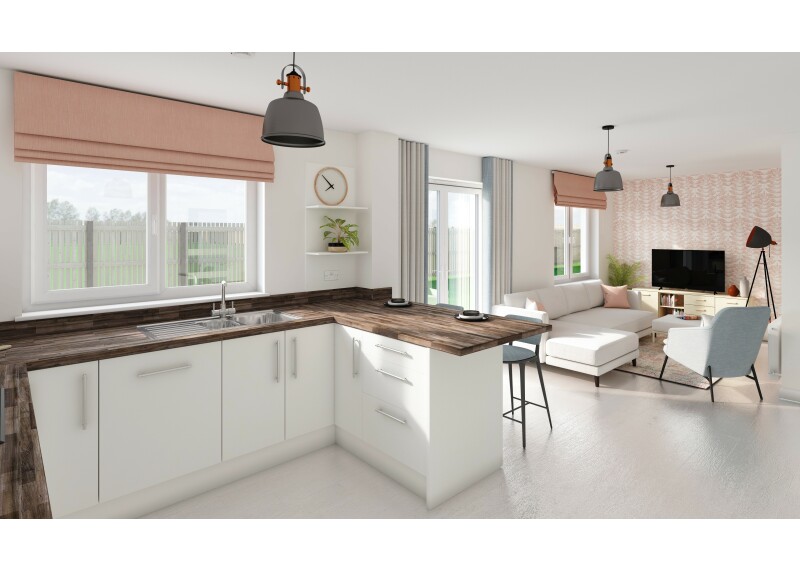
If you’re planning to downsize, have you thought about a new build? Modern new builds maximise space and storage with open-plan design and clever storage solutions. Plus, everything is new, which means fewer repairs and upkeep. They are also extremely energy efficient, which helps keep energy bills low.
Tulloch has been building new homes in Scotland for over 100 years, and we have developments in some of the most desirable locations in the Highlands and Inverness.
Start your next chapter
Exceptional 2-5 bedroom new build homes designed for modern living