How to choose where to buy

Choosing the right location is one of, if not the biggest decision you’ll make when buying a home. Watch any of the hundreds of episodes of Location, Location, Location and a buyer often rules out a property for one reason: it’s not in the right area.
But how can you be sure what the right location is? To make it easier, we’ve put together a list of key factors to consider when deciding where to buy.
Why does location matter?
But first, why is the right location so important?
Well, you can fit a new kitchen, rip out the old bathroom, extend into the loft…but you can’t pick the house up and move it five miles down the road.
Location has a massive influence on your quality of life - sometimes more than the home itself. It shapes your daily routines, the people you interact with, the services you rely on, and how easy it is to enjoy the activities you love.
You could find the perfect home, but if it’s far from work, schools, amenities or family or friends, then it might not suit your lifestyle.
Before you start your property search and explore areas or search online, it’s worth taking a step back to figure out what really matters.
Ask yourself:
- Do you want to live in a bustling city or town, or a peaceful village?
- How important is your commute? How far are you prepared to travel?
- Do you need to be near a bus route or train station?
- Do you need to be close to nurseries/schools?
- Do you want parks, green spaces or cycle paths nearby?
- Are you looking for peace and quiet, or somewhere close to shops, cafes, bars and nightlife?
- Do you need to be close to essential services?
- How important is a parking space, driveway or garage?
Create a shortlist of must-haves, nice-to-haves, and deal-breakers. You can use this to compare areas later on.
Tips for choosing the right location
Here are a few key points to consider when you’re looking to buy.
1. Budget
Your budget will always be one of the defining factors of where you choose to live. Be aware that prices can vary dramatically, not just between towns, but even from one neighbourhood or street to the next. And as well as location, your budget will also influence the size of property you can afford.
Start by researching the average prices for the type of home you want and how these match up with your deposit and the amount you can borrow. You’ll want to calculate your mortgage repayments each month, legal costs and fees for the purchase, and any additional costs like removals. Then, there are the ongoing costs like council tax, utility bills and general upkeep.
If you commute, think about how transport costs might add up over time, and whether a longer journey could offset any savings on the purchase price.
Weighing up all these costs will give you a picture of what you can afford and help you avoid overstretching your budget.
2. Transport links and commuting time
Your place of work also plays a big part in dictating the location you choose to live.
How far away is your office/place of work? Will you drive, walk or take public transport?
If you drive, check the route(s), traffic congestion and parking options. If you take public transport, look at the availability and frequency of buses, trains or trams. Also, calculate how much it’s going to cost you for petrol or transport fare.
Even if you’re hybrid or fully remote right now, test the worst-case commute. It might look relatively straightforward on the map, but what does that look like in rush hour traffic on a Monday morning? No one wants a horrible commute stuck in traffic, or having to set off really early in the morning and getting back late at night.
3. Nurseries, schools and catchment areas
Nurseries and schools are often the most important considerations for families, and for good reason. Being in the catchment area of a well-regarded nursery or school can make a big difference to a child’s education and long-term opportunities. You might also want to be close just to make your daily routine easier.
When looking at different areas, check the catchment areas to understand which schools your home would fall into. And you can research the performance of local schools using inspection reports, league tables and public ratings.
Areas with strong schools attract a lot of interest from buyers, which can drive demand and push up house prices. It makes the property market more competitive, but it also means properties often hold their value better over time and can be easier to sell in the future.
4. Local amenities and services
Are there any everyday services and amenities that you want, need or rely on?
You might want access to green spaces, parks and nature if you enjoy spending time outdoors, exercising or want a safe place for your children to play.
Being close to healthcare services such as GP surgeries, hospitals, dentists and pharmacies might be non-negotiable if you have children or family members with ongoing health needs.
Or, you might just like being close to the hustle and bustle of a town centre for things like pubs, restaurants, cafes, shops or supermarkets.
5. Think about the future
A neighbourhood that feels right today may look very different in five, ten, or twenty years, which is why it’s important to consider future changes when choosing where to buy.
Obviously, it’s virtually impossible to know what might happen years down the line, but in the short term, you can look at local authority development plans and recent planning applications to see if there are any proposals or submissions in place; things like new roads or road layouts, a new school, commercial developments, residential housing or regeneration projects.
Any future development or change may even be a positive factor. Improvements such as new transport links, upgraded roads, or investment in community facilities can increase the overall appeal of a neighbourhood and signal sustained growth and rising property values.
6. Spend time in the area
Once you’ve narrowed down your options, there’s no substitute for spending time in and getting to know the area. Visiting at different times of day - during the morning rush, in the evening, and on weekends - might reveal things you haven’t noticed before.
- Pay attention to traffic levels and noise.
- Is it easy to park?
- How safe and well-maintained does the area feel?
- Do you like the shops, cafes, bars and restaurants?
- Is it easy to get around on foot?
- How long does your commute to work take?
If you want to be extra certain before you buy, you could even rent in the area for a short period to make sure it ticks most - or at least many - of the boxes you’re looking for.
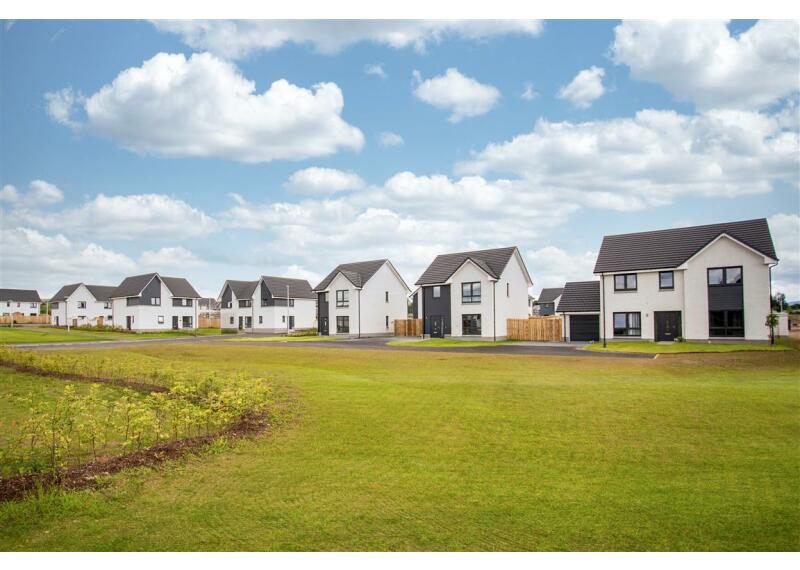
New build homes and choosing the right location
Location isn’t just important to buyers; it’s also one of the most important factors for us as a developer. When planning a new development, we work closely with local authorities and councils to understand what a community truly needs. This could include transport links, proximity to schools and nurseries, local shops and services, green spaces and recreational facilities. Our goal is to create developments that fit seamlessly into their surroundings and meet the needs of the people who will live there.
And our commitment doesn’t end once we complete a development. We continue to support our communities, whether that’s investing in local infrastructure, maintaining communal spaces, or backing events and initiatives that bring residents together.
With thoughtfully designed homes and a commitment to creating developments you’ll be proud to live in, now’s the perfect time to explore our current homes for sale and find the one that’s right for you.